New Study Reveals, Why Carnivorous Plants Are Becoming Popular Living Pest Traps

New Study Proves Cockroach Control Is Essential for Healthy Homes
May 16, 2026
Monsoon Is Here: Effective Mosquito Control Tips That Actually Work
June 12, 2026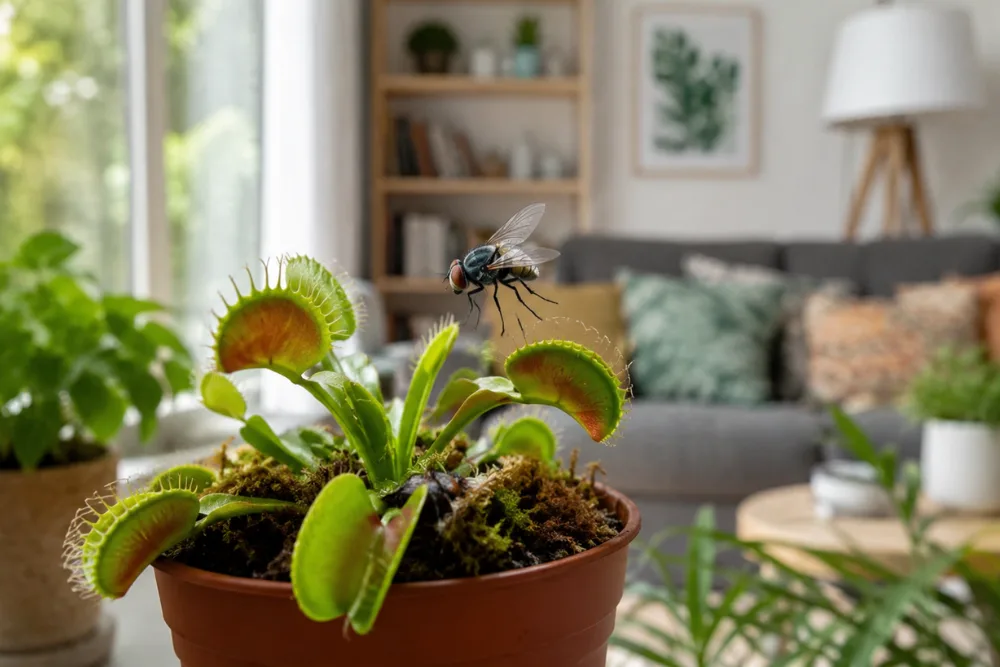
A recent study has highlighted the growing interest in carnivorous plants as natural pest traps, drawing attention to their potential role in managing common household insects. These plants, once merely subjects of fascination and wonder in botanical circles, are becoming practical solutions to everyday pest problems in homes.
Their unique ability to trap and digest insects not only draws interest from plant enthusiasts but also presents an environmentally friendly option for controlling common household pests. This article examines why carnivorous plants are gaining popularity as living pest traps, their effectiveness against common pests, and how they fit into modern pest management strategies.
Introduction to Carnivorous Plants
Carnivorous plants are a unique category of flora, adept at thriving in nutrient-poor environments by supplementing their nutrition through capturing and digesting insects. As you explore their fascinating world, you’ll discover their diverse types, ranging from the iconic Venus Flytrap to the elegant Pitcher Plant. These plants have evolved mechanisms to lure, trap, and digest their prey, making them extraordinary examples of adaptability in the plant kingdom.
Beyond their captivating appearance and intriguing behavior, carnivorous plants hold practical value in pest management, particularly in indoor environments. They offer a chemical-free alternative to traditional pest control methods, providing an appealing solution for those seeking to maintain a healthy home environment. While carnivorous plants are not a replacement for professional termite control or cockroach control services, their natural trapping abilities can help capture certain insects and complement broader pest management efforts.
Why Carnivorous Plants Are Gaining Popularity
The demand for sustainable and eco-friendly pest control methods has thrust carnivorous plants into the spotlight as a viable solution. As you consider adopting these plants in your home, you’ll find several compelling reasons behind their rising popularity.
- Sustainability: Carnivorous plants reduce the need for chemical pesticides, making them an environmentally friendly option.
- Naturally Effective: These plants have evolved over millions of years to efficiently trap and digest a wide range of insects.
- Low Maintenance: Many carnivorous plant species require relatively simple care once their light, water, and soil needs are met.
- Aesthetic Appeal: With their unique and exotic appearance, these plants add visual interest to any indoor or outdoor setting.
As an advocate for sustainable living, bringing carnivorous plants into your home not only supports non-toxic pest control but also enhances your living space with their intriguing presence and natural beauty.
How Carnivorous Plants Trap Pests
Carnivorous plants utilize a combination of lures, traps, and digestive enzymes to catch and break down their prey. Understanding these mechanisms can help you make the most of their pest-controlling abilities in your home.
For instance, the Venus Flytrap uses rapid leaf movements and jaw-like structures to snap shut on unsuspecting insects. The Sundew plant, with its sticky, dew-covered tentacles, ensnares insects which are then digested by enzymes secreted from the plant.
Meanwhile, Pitcher Plants entice insects with nectar and vivid colors, eventually leading them to slip into a pitfall trap filled with digestive liquids. Each of these mechanisms showcases the remarkable innovations developed by nature to supplement the plants’ nutrient intake in challenging environments. By understanding how each plant captures insects, homeowners can place them in areas where flying or crawling pests are commonly found, helping to support broader pest management efforts.
Carnivorous Plants for Termite Control
Termites are infamous for causing extensive damage to wooden structures, presenting a significant issue for homeowners. While professional termite control remains the most reliable way to address infestations, some homeowners are exploring carnivorous plants as a natural complement to broader pest management efforts.
Though not typically the primary strategy for termite management, certain carnivorous plants can play a supportive role. For example, employing pitcher plants around the perimeter of your home might serve as an added layer of protection, attracting and capturing flying termite alates.
Combining carnivorous plants with other termite control strategies like regular home inspections and structural maintenance can enhance your overall management plan, targeting both the termites directly as well as the flying reproducing queens and kings when they swarm.
Utilizing Carnivorous Plants for Cockroach Control
Cockroach Control for Healthy Homes is important because cockroaches are not only a nuisance due to their unsightly appearance but also pose health risks by spreading bacteria and allergens. In managing cockroach populations, carnivorous plants can offer a greener and safer alternative to chemical insecticides.
Some carnivorous plants, such as butterworts and Venus Flytraps, can capture small insects that come into contact with their traps, although they are not designed to control large cockroach infestations. Moreover, strategic placement of these plants in areas prone to cockroach activity, such as kitchens and bathrooms, can enhance their pest control effectiveness.
For best results, you might consider integrating carnivorous plants into a rotation schedule where different types are actively used in different parts of the home to prevent cockroaches from developing avoidance behaviors. This method provides a natural, continuous way of reducing cockroach populations and promoting a healthier living environment.
House Fly Control Tips with Carnivorous Plants
House flies are common in many households and can be particularly annoying when they gather in large numbers. Among the many house fly control tips available to homeowners, carnivorous plants have gained attention as a natural way to capture flying insects. Carnivorous plants like the Sundew and pitcher plants are excellent at assisting with housefly control due to their natural allure and effective trapping capabilities.
To optimize fly control, consider the following strategies:
- Strategic Placement: Position your plants near doors, windows, or food storage areas where flies are most active.
- Integrated Pest Management: Combine plant use with other methods like fly traps or cleaning strategies to manage flies effectively.
When combined with proper sanitation, waste management, and other fly control measures, carnivorous plants can contribute to a more comprehensive house fly management strategy.
Caring for Carnivorous Plants: Best Practices
Ensuring the health and effectiveness of your carnivorous plants requires understanding and mimicking their natural conditions as closely as possible. Here are some best care practices to follow:
- Lighting: Provide plenty of sunlight, as most carnivorous plants thrive in bright, indirect light.
- Watering: Use distilled or rainwater, since tap water can be harmful due to minerals and contaminants.
- Humidity: Maintain high humidity levels around the plants to replicate their natural, humid environments.
- Soil: Use a well-draining, low-nutrient soil mix specific to carnivorous plants’ needs.
By following these guidelines, you can help your carnivorous plants stay healthy and thrive, allowing you to enjoy their unique appearance and natural insect-trapping abilities.
Conclusion
As awareness of environmental issues and the impact of chemical pesticides grows, the appeal of carnivorous plants in personal and professional pest management settings is expected to continue rising. By naturally controlling insect populations, they offer a unique, effective, and sustainable alternative to traditional methods.
Integrating these plants into your home can support environmentally conscious living while adding visual interest and natural insect-trapping capabilities to your space. As you embrace these natural pest controllers, you can enjoy the dual benefits of pest control and botanical beauty, paving the way for a more harmonious coexistence with our natural world.
Reference:
Interaction with indoor plants may reduce psychological and physiological stress
Frequently Asked Questions
1. Can carnivorous plants be used for pest control at home?
Yes, carnivorous plants can help capture certain insects in and around the home. While they are not a replacement for professional pest control services, they can complement broader pest management efforts by naturally trapping small pests.
2. Which carnivorous plants are best for trapping insects?
Some of the most popular insect-trapping plants include Venus Flytraps, Pitcher Plants, Sundews, and Butterworts. Each species uses a different trapping mechanism to capture and digest insects.
3. Are carnivorous plants effective for termite control?
Carnivorous plants may occasionally capture flying termite alates during swarming periods, but they cannot eliminate termite colonies. Professional termite control remains the most effective solution for preventing structural damage.
4. Can carnivorous plants help with cockroach control?
Carnivorous plants can capture some small insects that come into contact with their traps, but they are not designed to control large cockroach infestations. For effective Cockroach Control for Healthy Homes, sanitation, moisture management, and professional pest control measures are essential.
5. How can carnivorous plants help control house flies?
Plants such as Sundews and Pitcher Plants can trap house flies and other flying insects. When combined with proper cleaning practices and other fly management methods, they can contribute to a more comprehensive house fly control strategy.