Monsoon Is Here: Effective Mosquito Control Tips That Actually Work

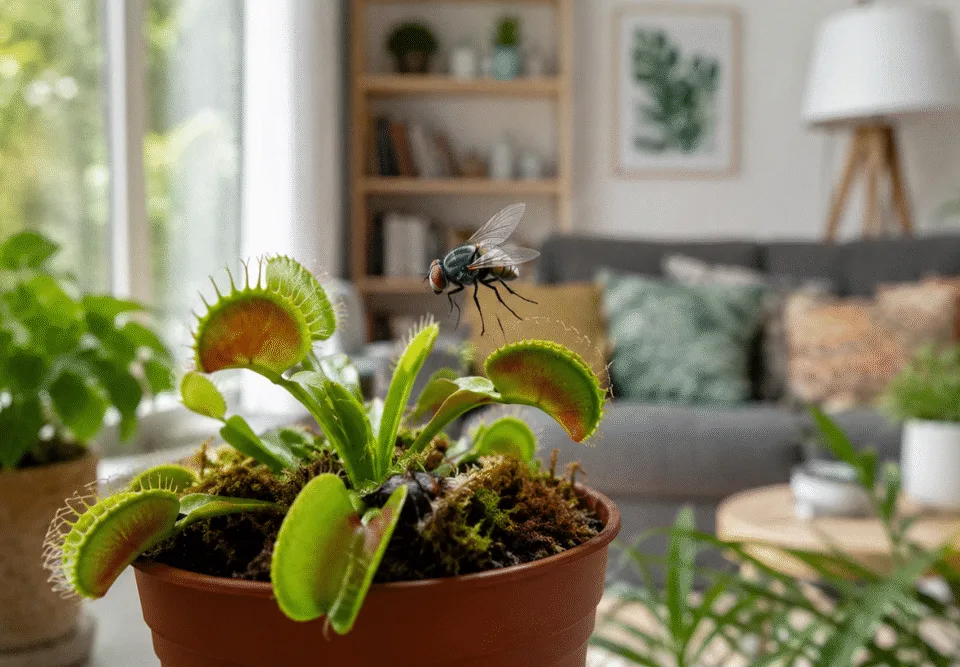
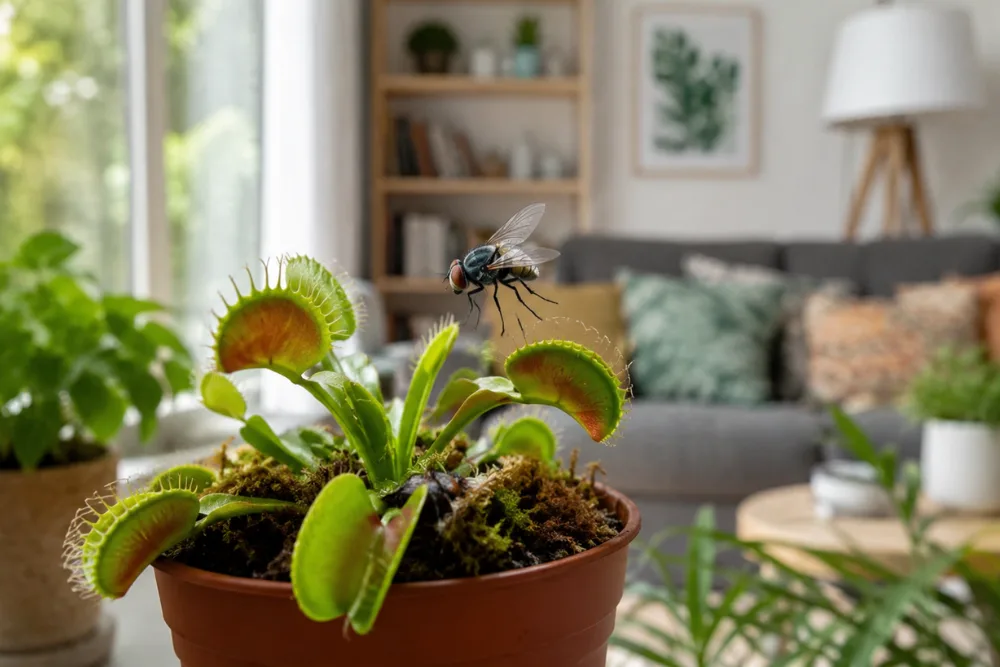
New Study Reveals, Why Carnivorous Plants Are Becoming Popular Living Pest Traps
June 10, 2026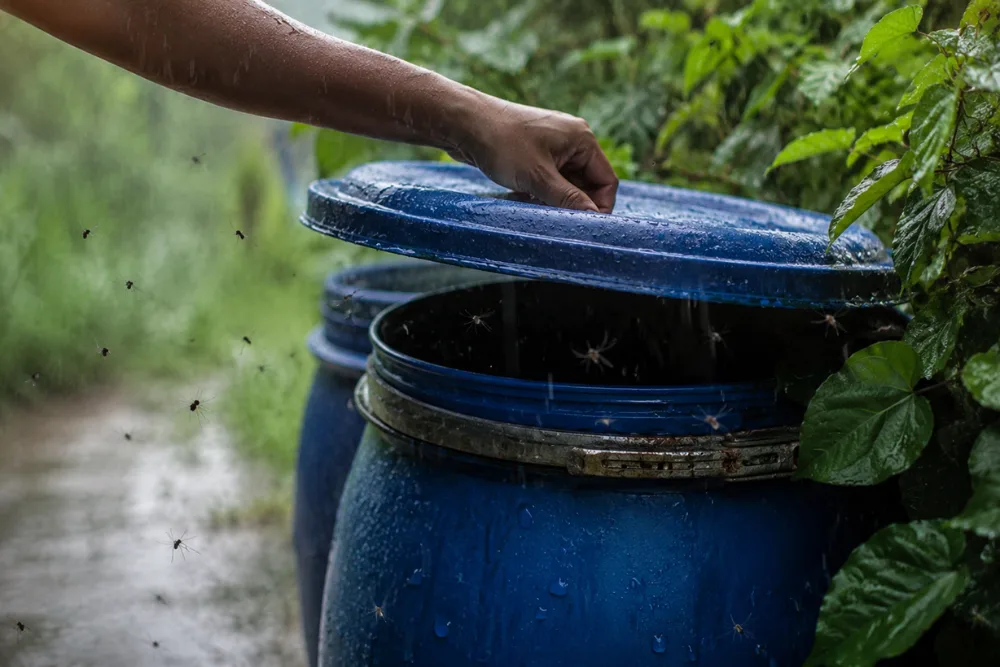
The arrival of the monsoon season brings with it much-needed relief from the scorching summer heat. However, it also marks the beginning of the mosquito menace. These pests not only disturb your peace by causing itching and discomfort but also pose serious health risks by transmitting diseases like dengue, malaria, and chikungunya.
Tackling mosquitoes effectively during this season requires strategic planning and execution. In this comprehensive guide, you’ll discover practical mosquito control tips that are proven to work, empowering you to protect your home and loved ones. From indoor prevention methods to outdoor pest control solutions, this guide covers practical steps to help reduce mosquito activity throughout the rainy season.
Monsoon Season and the Mosquito Menace
With the onset of the monsoon, mosquitoes thrive in the warm, humid conditions, leading to a significant increase in their population. The constant rain creates numerous breeding spots, providing ideal environments for their larvae to develop. Puddles, clogged rain gutters, and other stagnant water sources around your home become breeding grounds for mosquitoes. The blend of rain and warmth not only supports their life cycle but also enhances their activity levels, making it crucial to implement effective mosquito control measures.
The increased mosquito population during the monsoon season poses heightened health risks. Diseases like malaria, dengue fever, Zika virus, and West Nile virus see a surge due to the optimal breeding conditions for these pests.
This makes it imperative to stay vigilant and proactive throughout the season. Understanding the link between monsoon rains and mosquito activity is the first step toward effective mosquito control and long-term pest control. By recognizing the environmental factors that contribute to mosquito infestations, you can implement targeted measures to curb their growth and ensure your family’s safety.
The Importance of Effective Mosquito Control
Effective mosquito control is not just about comfort; it’s a critical public health priority. Mosquitoes are vectors for severe diseases that can lead to widespread outbreaks. Implementing effective mosquito control measures can help reduce the risk of mosquito-borne diseases while supporting a safer and healthier living environment. It’s important to understand the dynamics of mosquito life cycles and habitats to implement effective control strategies.
Regular monitoring and timely intervention are vital components of an effective mosquito control plan. By reducing mosquito populations around your home, you also decrease the likelihood of disease transmission. Utilizing a combination of physical barriers, chemical repellents, and biological control methods are essential strategies to consider. Incorporating personal protective measures, such as wearing long-sleeved clothing and using mosquito nets, further enhances protection.
A comprehensive mosquito control program requires community involvement and cooperation. By educating others and encouraging proactive measures, you can contribute to a broader ecosystem of health and safety. Ultimately, effective mosquito control is about integrating individual actions with community efforts to minimize the risks posed by these pests during the monsoon season.
Indoor Mosquito Protection Strategies
Creating a mosquito-free indoor environment during the monsoon relies on a combination of preventive measures and regular maintenance. Start by ensuring that all doors and windows are equipped with tight-fitting screens to prevent mosquitoes from entering your home. Using doors with self-closing mechanisms and sealed gaps helps in minimizing access points for these pests.
Using mosquito repellents and reducing indoor mosquito attractants can help limit mosquito activity inside your home. Common repellent plants include citronella, lavender, and basil, which can be placed near entry points for added protection. Additionally, consider using an indoor insecticide spray in key areas such as under sinks and near drains, where mosquitoes are most likely to seek shelter.
Electric mosquito repellents and zappers are popular choices that provide additional deterrents. Keep in mind that maintaining a clean and uncluttered living space contributes significantly to reducing mosquito harborage. Regularly inspect and clean areas where moisture can accumulate, such as laundry rooms, storerooms, and garages, to support an effective indoor mosquito control strategy.
Selecting the Right Mosquito Repellents
The choice of mosquito repellents can greatly affect the effectiveness of your mosquito control efforts. Effective repellents contain active ingredients like DEET, Picaridin, or oil of lemon eucalyptus, all of which are scientifically proven to deter mosquitoes. Be sure to select a product with the appropriate concentration for the level of exposure you anticipate.
For those who prefer a more natural approach, products containing plant-based ingredients such as citronella or oil of lemon eucalyptus may provide additional protection, though they typically require more frequent reapplication than conventional repellents. It is always advisable to perform a patch test to avoid potential allergic reactions when trying new products.
Application technique is equally crucial. To maximize effectiveness, apply repellent evenly on exposed skin and clothing, following the manufacturer’s instructions. Consider investing in combo repellents that combine sunscreen and mosquito repellent for convenience and efficiency, especially during outdoor activities.
Ultimately, selecting the right mosquito repellent involves understanding your specific needs, whether you’re seeking protection for daily activities or special circumstances such as extended outdoor excursions. With the right product, you can significantly reduce mosquito-related disturbances and health risks during the monsoon.
Eliminating Indoor Breeding Sites
Indoor breeding sites can often be overlooked but are critical to address in your mosquito control plan. Preventing mosquitoes from reproducing within your home requires regular inspection and maintenance of potential breeding spots. Begin by identifying and eliminating stagnant water sources, which are breeding grounds for mosquito larvae.
- Inspect and Clean Gutters: Ensure that gutters are free of debris to facilitate proper drainage and prevent water accumulation.
- Check Plants and Vases: Change the water in flower vases frequently and ensure indoor plants don’t have standing water in their saucers.
- Maintain Proper Drainage: Inspect bathroom and kitchen drains regularly and keep them clean to prevent stagnant water buildup.
By addressing these potential breeding sites, you can significantly reduce mosquito activity indoors and strengthen your overall mosquito control efforts. Consistent inspections and regular maintenance remain essential for long-term pest control during the monsoon season.
Outdoor Mosquito Control Techniques
Addressing mosquito breeding outdoors is just as vital as indoor control. Start by addressing any standing water in your garden, driveway, or any nearby vacant lots. Rain barrels, bird baths, and flower pots are common culprits for water collection and should be emptied or treated periodically to prevent mosquito reproduction.
Landscaping choices can also impact mosquito populations. Consider planting mosquito-repelling plants such as marigolds, rosemary, or citronella grass around your home. Implementing good lawn care and maintenance practices such as trimming shrubs and mowing grass regularly can eliminate mosquito resting spots.
Outdoor insecticides can be applied to shrubbery and shaded areas, where mosquitoes tend to congregate. Another effective technique is the use of larvicides in standing water that can’t be removed, such as larger ponds or drainage areas. By focusing on these outdoor mosquito control techniques, you can help reduce mosquito activity around your property and strengthen your overall pest control strategy during the monsoon season.
Importance of Drainage and Water Management
Effective water management is one of the most impactful steps you can take to control mosquito populations during the monsoon season. Proper drainage reduces potential breeding grounds and interrupts the mosquito life cycle. Regularly inspect your property’s drainage systems to ensure that they are clear of blockages and functioning efficiently.
Evaluate potential problem areas where water may accumulate, such as the foundation of your house, patios, or garden paths. Grading your yard to promote water runoff can significantly reduce pooling, making it less conducive for mosquitoes to breed. Adjusting sprinkler systems to minimize oversaturation in lawns and gardens is another critical measure.
Proactive drainage and water management practices can significantly reduce mosquito breeding opportunities and support effective mosquito control during the monsoon season. When larger drainage issues arise, professional pest control services or local municipal assistance may help provide a more comprehensive solution.
Role of Local Pest Control Services
While personal mosquito control measures are crucial, the expertise of local pest control services can be invaluable, especially during the height of the monsoon season. Professional pest control providers offer services tailored to your specific needs, employing a mix of advanced techniques and products to tackle mosquito infestations effectively.
Pest control experts conduct thorough inspections of your property, identifying potential breeding sites and offering tailored solutions. These could include chemical treatments, habitat modification, and biological control measures. Utilizing the services of a reputable pest control company ensures that you receive expert advice and effective strategies, reducing your need for guesswork.
Partnering with local pest control services not only optimizes the efficiency of your mosquito control efforts but also provides peace of mind. By leveraging their knowledge and resources, you attain an additional layer of protection, safeguarding your home and health against the monsoon’s mosquito challenge.
In conclusion, the monsoon season, while refreshing, demands vigilance in managing mosquito populations to protect your household from potential health threats. By implementing comprehensive mosquito control strategies, including both indoor and outdoor measures, you can help reduce mosquito activity and lower the risk of mosquito breeding around your property. Effective drainage and regular maintenance diminish breeding sites, while carefully chosen repellents add layers of defense. Additionally, seeking professional pest control services when necessary brings peace of mind, ensuring that your environment is safe and comfortable throughout the monsoon. Embrace these strategies to enjoy a mosquito-minimized season, safeguarding your family and home from the onset of pest-related health risks.
Frequently Asked Questions
1. Why do mosquito populations increase during the monsoon season?
Mosquito populations increase during the monsoon because rainwater creates numerous breeding sites such as puddles, clogged gutters, and containers with standing water. Warm and humid conditions also support faster mosquito development and activity.
2. What are the most effective mosquito control methods during the monsoon?
The most effective mosquito control methods include eliminating standing water, using mosquito repellents, installing window screens, maintaining proper drainage, and seeking professional pest control services when necessary.
3. How can I prevent mosquitoes from breeding inside my home?
To prevent indoor mosquito breeding, regularly inspect and empty water-holding containers, clean drains, change water in flower vases, and address any areas where moisture or stagnant water may accumulate.
4. Are mosquito repellents effective for long-term protection?
Mosquito repellents provide temporary protection against mosquito bites when used correctly. For long-term mosquito control, repellents should be combined with source reduction, proper sanitation, and other pest control measures.
5. When should I call a professional pest control service for mosquitoes?
You should consider professional pest control services when mosquito activity remains high despite preventive efforts, when breeding sites are difficult to identify, or when recurring mosquito infestations affect your comfort and safety.