Housefly Control Tips for Every Homeowner

How to Choose an Effective Termite Treatment For Your Home?
February 24, 2026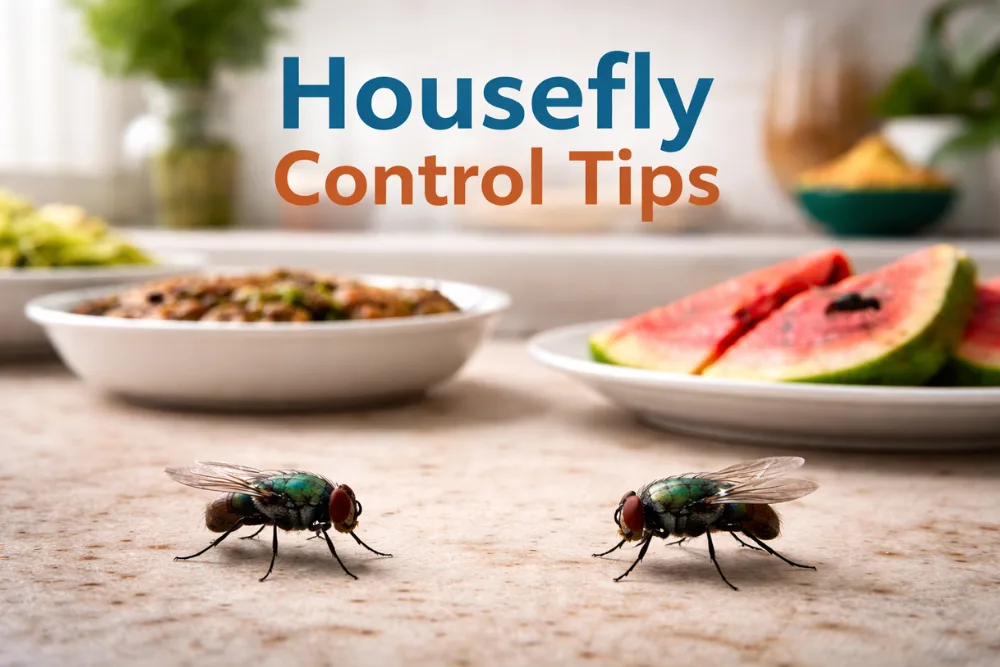
Houseflies are a common household nuisance that many homeowners struggle to control throughout the year. Their presence not only disrupts my peace but also poses potential health risks. Understanding the uninvited intruders is crucial to curtailing their nuisance. Over the years, I’ve learned various effective strategies for housefly control right at home. Whether you’re searching for “pest control near me” or are a DIY enthusiast, this comprehensive guide will help you reclaim your space from these buzzing invaders.
Why Housefly Control Matters
Houseflies might seem like minor irritants, but their impact is far from benign. Effective housefly control is important for maintaining a clean and hygienic home environment. From spreading diseases to contaminating food, houseflies are more than just an annoyance. They can transport over 100 different pathogens, including Salmonella, E. coli, and even cholera, primarily because of their feeding habits that include frequenting garbage, manure, and other decaying matter.
Moreover, these pests breed rapidly, with a single female capable of laying up to 150 eggs at a time. Given the right conditions, those eggs hatch into larvae or maggots in less than a day. Consequently, a minor problem can exponentially grow into a significant infestation if not addressed promptly. Early action helps prevent health risks and reduces the chances of a severe infestation.
Prioritizing housefly control helps protect your family’s health and safety. This vigilance also ensures we maintain a comfortable, peaceful, and pleasant living atmosphere. Uncontrolled fly activity can disrupt daily comfort, making timely control essential.
Common Housefly Habits
Understanding housefly behavior is the first step toward effective prevention and control. Houseflies follow predictable patterns that make them easier to identify and manage. They are attracted to waste and are particularly drawn to decaying organic materials. This explains their frequent appearance near garbage cans, compost piles, and leftover food.
Houseflies exhibit a strong sense of smell, often detecting food from over a mile away. This acute sense enables them to invade kitchens and dining areas in no time. They can enter homes through small openings such as cracks, open windows, and poorly sealed doors. Once inside, they seek out moisture, warmth, and food to thrive.
Houseflies have a short but highly productive life cycle. The transformation from egg to adult takes about a week under optimal conditions. Their rapid reproduction means even a small presence can quickly turn into an infestation. Understanding these habits is crucial as it forms the basis of effective housefly prevention and control strategies.
Housefly Prevention Tips
Prevention is the most effective way to control housefly problems. Simple preventive measures can significantly reduce housefly activity at home. The key is maintaining a home environment that is unappealing to them, effectively reducing their interest and ability to linger.
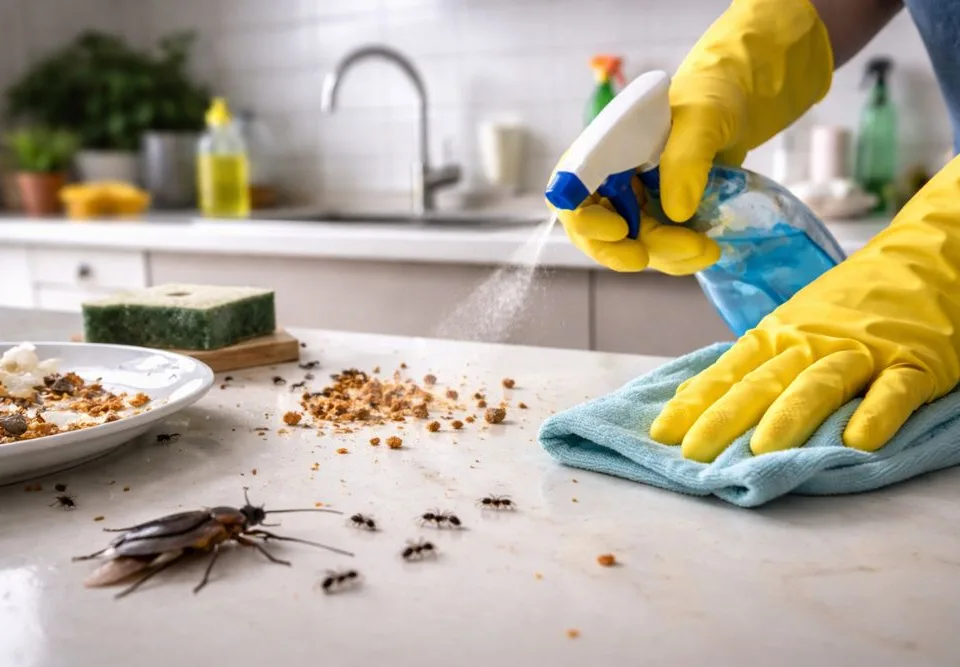
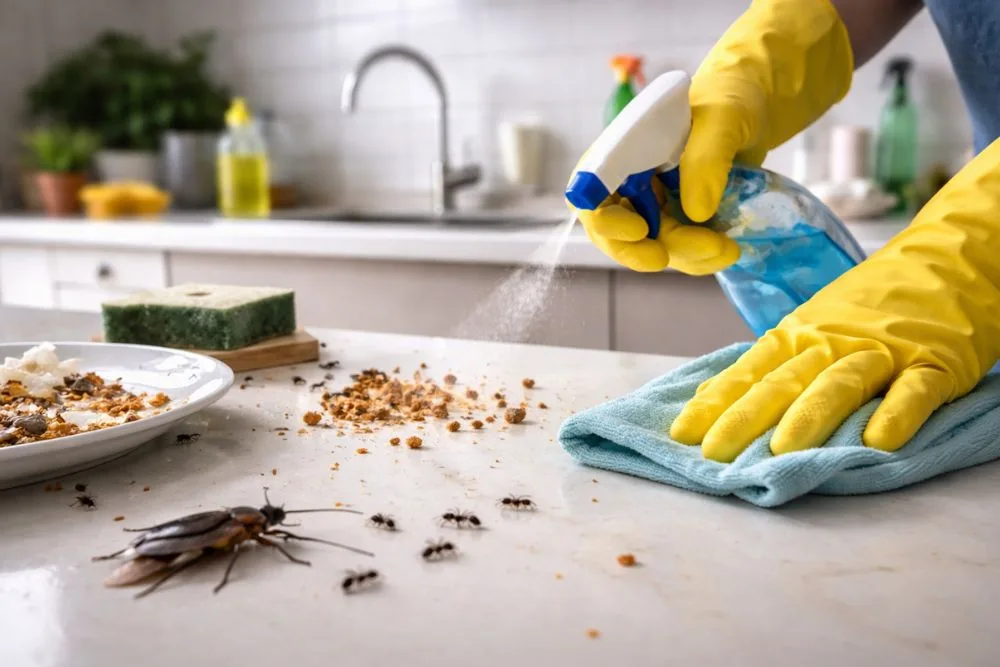
- Eliminate Food Sources: Always store food in airtight containers, wipe countertops regularly, and promptly clean food spills to deny flies their sustenance.
- Proper Waste Management: Keep trash cans covered and empty them regularly. Compost piles should be managed properly and kept at a safe distance from the house.
- Seal Points of Entry: Install mesh screens on windows and doors, and seal any cracks or gaps in walls to prevent flies from getting inside.
- Regular Cleaning: Maintain cleanliness in pet areas and any locations where flies could find breeding grounds.
- Reduce Outdoor Attraction: Ensure lawn debris is cleaned up, and outdoor dining areas are wiped down to minimize outdoor breeding grounds.
Consistent prevention helps maintain a cleaner, healthier, and fly-free living environment.
DIY Housefly Control Methods
Several do-it-yourself methods can help manage houseflies in a simple and cost-effective way. These strategies blend easily with any homeowner’s routine while offering significant relief from fly woes.
First on my list is the vinegar and dish soap trap. A shallow bowl filled with apple cider vinegar and a few drops of dish soap can effectively attract and trap flies. The vinegar lures them in, while the soap reduces surface tension so they can’t escape once they touch the liquid. This method can work wonders on a small scale.
Another popular homemade solution involves using essential oils. Oils like lavender, eucalyptus, and peppermint double as air fresheners and fly deterrents. Mixing a few drops with water in a spray bottle creates a natural repellent that can be applied around door frames and windows.
For those willing to get a bit crafty, homemade sticky traps made from bright yellow cardstock coated with a sticky substance attract flies with their color while snaring them with tackiness. Placing these traps near problem areas can help reduce fly presence.
These DIY methods offer quick, practical solutions for controlling fly populations without the need for harsh chemicals or costly equipment.
Professional Pest Control Options
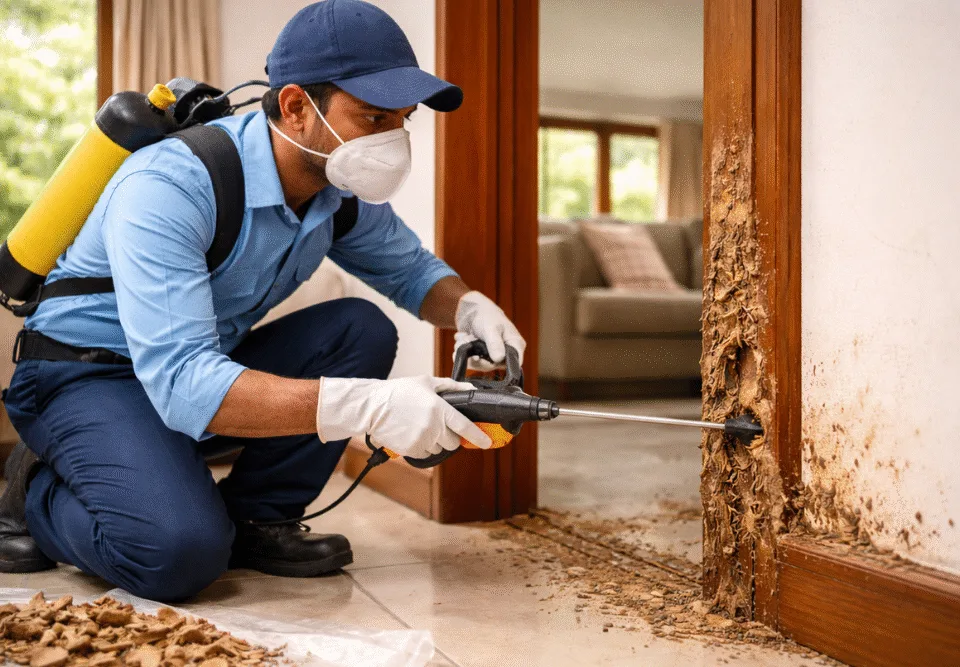
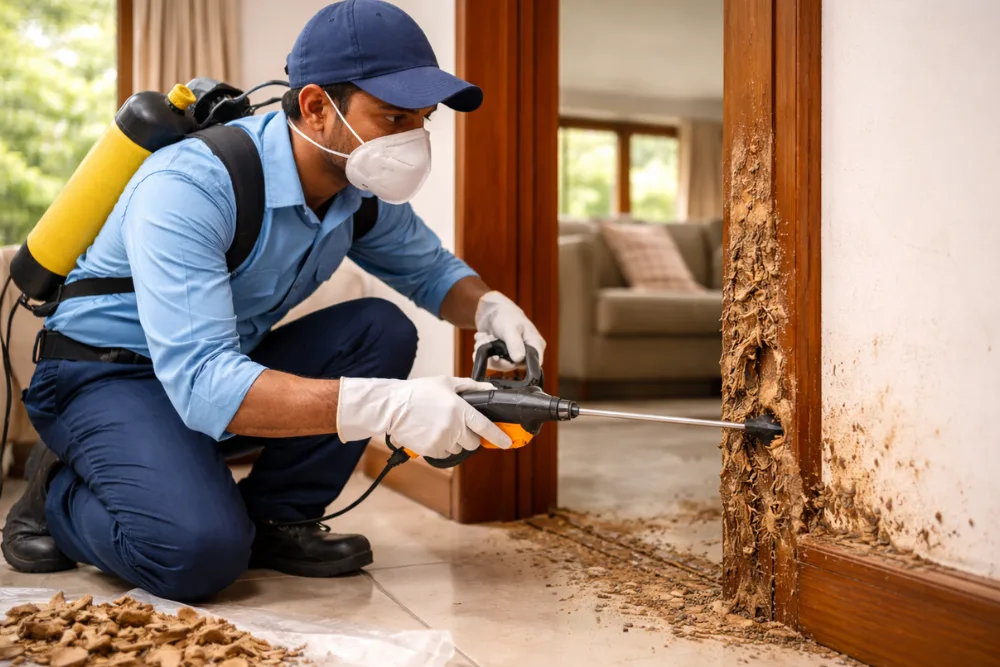
In some cases, housefly infestations can become severe and require professional pest control intervention. Professional experts can provide reliable and long-lasting solutions for effective housefly control. When searching for “pest control near me,” it’s essential to choose a provider with a reputation for effective fly control.
Professional pest control firms offer a variety of services tailored to tackle housefly infestations. These include comprehensive inspections to identify breeding sites and entry points often overlooked by untrained eyes. Their expertise ensures treatments that eliminate existing flies and help prevent future infestations.
Misting treatments, baiting systems, and residual sprays are some of the methods employed. The choice of method usually depends on the severity of the infestation and specific household needs. Professionals can offer advice on how to prevent future invasions by recommending structural repairs or changes in waste management procedures.
Although professional services involve an initial cost, they provide effective results and long-term protection. Many service providers also offer follow-up support to ensure complete control and customer satisfaction.
Keeping Your Home Fly-Free
Maintaining a fly-free home requires an ongoing effort that combines prevention, vigilant hygiene, and strategic interventions when needed. A systematic approach helps keep homes housefly-free while ensuring a clean and healthy living environment.
Regular cleaning and timely waste disposal help create an environment that discourages housefly activity. Using a combination of DIY traps and natural repellents can help maintain long-term effectiveness. Diversifying tactics prevents flies from adapting, significantly reducing their numbers over time.
Encouraging all household members to maintain cleanliness helps prevent recurring fly problems. By making everyone conscious of good practices, such as closing windows promptly or managing leftovers efficiently, everyone’s effort reinforces our collective goal.
Constant vigilance ensures that I deal with any fly issues early on, using either my trusted DIY methods or, when necessary, enlisting professional pest control near me for assistance. This approach helps maintain a clean, comfortable, and fly-free home environment.
Conclusion
In conclusion, managing houseflies is a crucial aspect of home maintenance that every homeowner must prioritize. From their pesky habits to the health risks they pose, houseflies demand immediate attention and strategic control efforts. Combining preventive measures, practical home solutions, and timely professional support can effectively control and prevent infestations.
Simple steps such as sealing entry points, using natural deterrents, and seeking expert assistance when needed can help maintain effective housefly control. Consistent hygiene practices and early intervention help maintain a clean and fly-free living environment. So whether you’re applying these tips or reaching out to “pest control near me,” know that a fly-free home is well within reach.