Importance of Cleanliness in Effective Pest Control

How to Choose the Right Pest Control Near Me for Long-Term Results
January 29, 2026
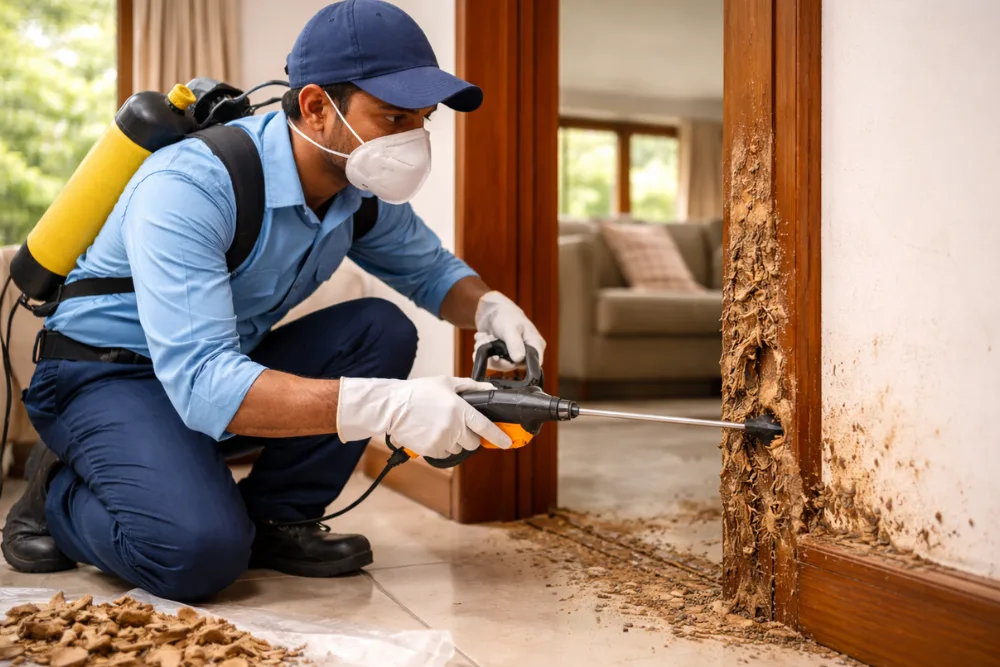
How to Choose a Best Termite Treatment For Your Home?
February 24, 2026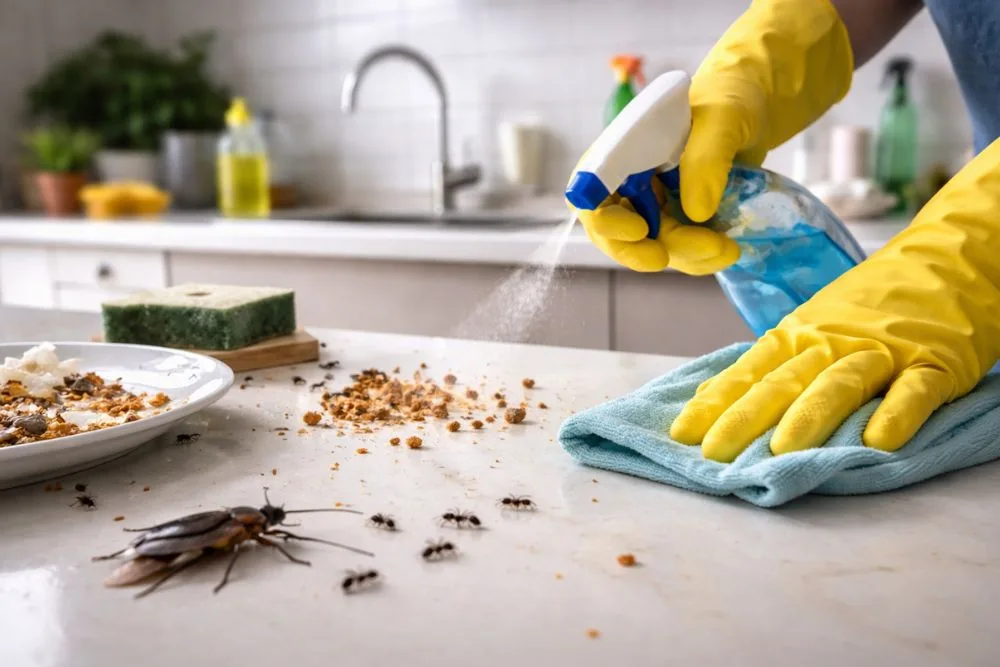
Pest control is essential for maintaining both homes and commercial spaces. It involves not just the eradication of unwanted guests like insects and rodents but also the prevention of future infestations. A pivotal element of effective pest control is cleanliness. This article explains how cleanliness plays a key role in effective pest control and preventing infestations.
Cleanliness in Pest Control
Cleanliness is the foundation of effective pest control and a critical factor that supports professional Pest Exterminator Services in maintaining safe, hygienic environments. It goes beyond appearance and plays a key role in keeping spaces pest-free. Regular cleaning routines disrupt the habitat and food sources of pests, making it less likely for them to thrive. By removing clutter and disposing of waste promptly, individuals can significantly minimize the chances of a pest infestation and improve the effectiveness of Pest Exterminator Services. Cleanliness helps break the chain of survival for pests that rely on leftover food, unkempt spaces, and moisture.
Moreover, a clean space makes it easier for Pest Exterminator Services to identify signs of pest activity, such as droppings, nests, or gnaw marks, allowing for prompt action before the problem escalates.
The Role of Cleanliness in Preventing Infestations
Preventing pest infestations is always easier than dealing with them later, which is why cleanliness plays a vital role alongside professional pest exterminator services and routine pest control. Cleanliness serves as a proactive measure that significantly reduces the likelihood of an infestation occurring. Pests such as cockroaches, ants, and rodents are attracted to environments where food sources are readily available and shelter is easy to access. Proper food storage, regular cleaning of crumbs, and timely garbage disposal support effective pest control and enhance the results of Pest Exterminator Services.
In addition to food storage, regular cleaning of hard-to-reach areas such as under appliances and behind furniture is crucial. These areas often harbor crumbs and spills that attract pests. By consistently maintaining high cleanliness standards, individuals and businesses can strengthen their pest control efforts and improve the long-term effectiveness of Pest Exterminator Services, reducing the desirability of their spaces as nesting grounds.
Key Areas to Focus on for Maintaining Cleanliness
Some areas in a property need extra attention to prevent pest problems. Kitchens, bathrooms, basements, and storage areas attract pests because they provide food, water, and shelter.
- Kitchens: Regularly wipe down surfaces, store food in airtight containers, and ensure floors are free of crumbs and spills.
- Bathrooms: Fix leaks to eliminate moisture, and ensure drains are clean and free-flowing to prevent breeding grounds for insects.
- Basements and Attics: These are often cluttered, providing ideal hiding spaces for pests. Keep them clean and dry by removing clutter and using dehumidifiers if required.
- Storage Areas: Organize storage spaces, periodically clean and check for signs of pest activity, and use pest-proof containers where necessary.
How Cleanliness Improves Pest Control
Cleanliness plays a vital role in improving the effectiveness of pest control. By maintaining a clean environment, homeowners and businesses can enhance the effectiveness of pest control treatments. Pesticides and other pest control methods are more effective when used in clean environments because there are fewer obstacles and hiding spots for pests. This allows pest control treatments to reach pests directly, reducing their chances of survival.
Cleanliness also helps maintain physical barriers such as caulking, screens, and seals. Without clutter and grime, it is easier to inspect and maintain these physical deterrents, ensuring they function optimally.
Cleanliness Tips for Different Spaces
Different spaces require specific cleanliness practices to control pests. Residential, commercial, and outdoor spaces each present unique challenges and require specific strategies.
- Residential Spaces: Regular vacuuming, proper food storage, and removing clutter consistently are critical steps. Pay attention to pet feeding areas as well, ensuring pets’ food is not left out.
- Commercial Spaces: Follow a clear cleaning routine, especially in dining areas and restrooms. Training staff on cleanliness standards and pest signs can aid in early identification and control.
- Outdoor Areas: Keep gardens tidy by trimming bushes and removing debris. Keep trash bins closed and away from entrances, and clear drainage areas to avoid standing water.
Sanitation and Pest Control
Sanitation plays an important role in pest control and directly supports the effectiveness of professional Pest Exterminator Services. It includes regular cleaning and simple routines that keep spaces hygienic and unattractive to pests. High sanitation standards discourage pest habitation by making it difficult for them to find the essentials needed to survive, allowing Pest Exterminator Services to deliver longer-lasting results.
In food industries, sanitation practices are particularly rigorous to comply with health regulations and prevent infestations that could lead to contamination. These strategies can be applied in various settings to maintain clean and pest-free environments, especially when combined with reliable Pest Exterminator Services.
Challenges and Solutions in Keeping Spaces Clean
Maintaining cleanliness for effective pest control can sometimes be challenging. Time constraints, lack of awareness, and sometimes reluctance to change established routines can hinder cleaning efforts. Cleaning hard-to-reach areas or handling existing infestations can also be difficult without proper support.
- Time Management: Allocate specific times for cleaning in schedules. Breaking cleaning into small, manageable tasks spread throughout the week can alleviate time constraints.
- Lack of Awareness: Educate people about the importance of cleanliness and pest control through simple guides or reminders.
- Access Issues: Utilize specialized tools or services to clean areas that are difficult to reach, ensuring thorough sanitation without increased effort.
Maintaining Cleanliness for Long-Term Pest Control
Maintaining long-term cleanliness requires commitment and regular review of cleaning habits. A simple cleaning plan followed by everyone helps maintain consistent cleanliness.
Using technology to set reminders or manage cleaning schedules can also help maintain these efforts over time. Additionally, it’s essential to conduct periodic inspections of premises to identify vulnerabilities and rectify them promptly, ensuring pests are kept at bay through a sustained cleanliness strategy.
Individuals who prioritize sanitation effectively enhance the efficacy of pest control measures. Through diligence and education, environments can remain secure and healthy, free from the infiltration and damage caused by pests.
In conclusion, cleanliness is not merely a task but a preventative measure that plays a crucial role in pest control. By understanding the importance of maintaining hygiene, targeting key areas, and overcoming challenges, people and businesses can achieve a pest-free environment. Maintaining cleanliness helps protect health, safety, and peace of mind.