Best Practices to Prevent Termites from Damaging Your Furniture

Why Regular Pest Control in Bangalore Is Important for Flats?
March 11, 2026
Ignoring Pests? Here’s Why Pest Control Services Are Urgent
April 27, 2026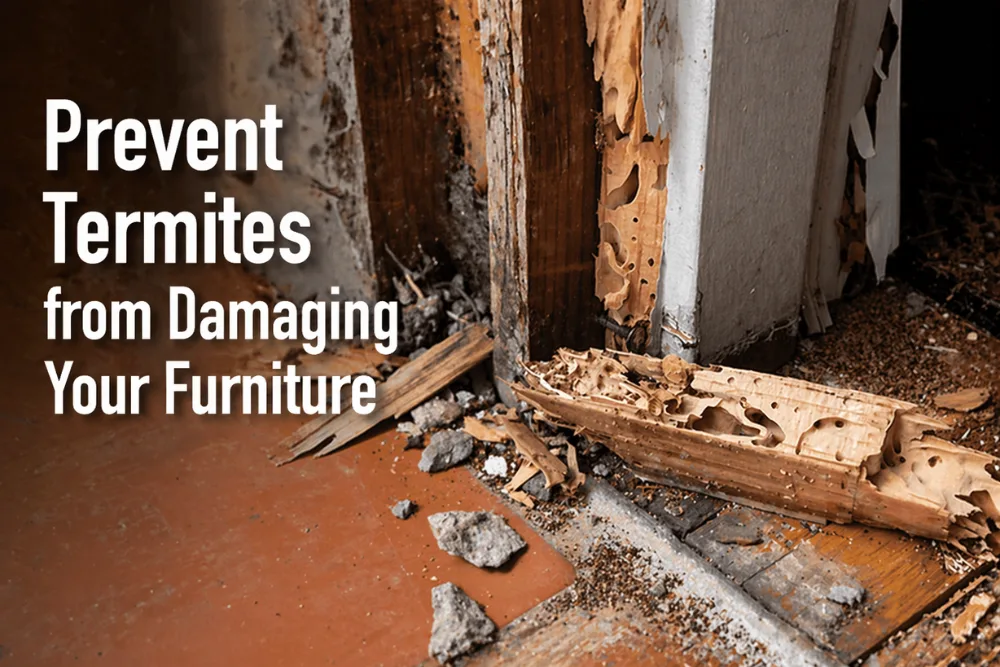
Termites are notorious for causing significant damage to wooden furniture and structures in homes worldwide. When it comes to protecting your prized possessions from these unassuming yet destructive pests, understanding the best practices in termite control becomes crucial. With the right termite treatment for your home, you can not only safeguard your furniture but also maintain the integrity of your living space. Understanding the early signs of termite activity and taking preventive pest control measures can help protect furniture from costly damage. By delving into both DIY and professional termites control strategies, as well as eco-friendly alternatives, homeowners can gain a comprehensive understanding of the steps necessary to prevent and manage termite issues.
Termite Problems in Furniture
Termites pose a serious risk to wooden furniture as they feed on cellulose found in wood and related materials. They are often referred to as “silent destroyers” because they can cause extensive damage before being detected. Termites function in colonies, and once they find a food source like furniture, they settle in and start causing destruction from the inside out. Such hidden activity can result in serious structural damage and expensive repairs, highlighting the importance of timely pest control measures.
Knowing how termites infest and damage furniture helps homeowners take preventive termite control steps early. Subterranean termites construct mud tubes that they use to reach above-ground food sources, such as wooden furniture, from their nests underground. Drywood termites, on the other hand, do not need contact with the soil and are typically found in furniture, floors, and walls, inflicting damage internally before signs become visible externally.
The damage caused by termites is not only monetary. Heirlooms and antique pieces that carry sentimental or historical value can be irreparably harmed. Investing in termite control, therefore, is also about preserving one’s heritage and the aesthetics of a home. Early detection and regular termite treatment for home can help prevent further damage to valuable furniture.
Signs of Termite Infestation
Detecting termite activity early is essential to reduce the risk of serious damage to furniture and wooden structures. By understanding and recognizing the signs, homeowners can take swift action to mitigate the impact. Here are some common signs that termites may be present in your home:
- Hollow-Sounding Wood: Tapping on wooden furniture or structures and hearing a hollow sound is a strong indicator of termite activity. This is because termites consume wood from the inside out.
- Frass: Also known as termite droppings, frass looks like tiny pellets and is often found near the site of infestation. It can be a clear sign of drywood termite presence.
- Discarded Wings: Termites shed their wings once they find a suitable place to establish a new colony. Finding discarded wings, often near windows or entry points, suggests that termites are nearby.
- Buckling Paint: Swollen floorboards, ceilings, or walls and buckling paint can indicate moisture buildup due to termites blocking the pathways of natural water flow.
Regular inspections and vigilant observation are vital parts of termite treatment for the home. Identifying these signs early helps homeowners contact professional pest control exterminator options before the infestation spreads further.
Best Practices to Prevent Termites at Home
Preventing termites requires practical steps that reduce conditions attracting them and limit their access to wooden furniture and structures. Here are some best practices that homeowners can implement:
- Moisture Reduction: Termites thrive in moist environments. Fix leaky faucets and ensure proper drainage away from your home to reduce moisture levels that attract termites.
- Wood-to-Ground Contact: Avoid direct wood-to-ground contact by using concrete bases and termite-resistant materials where possible. Direct contact provides easy access for termites.
- Regular Inspections: Schedule regular inspections by certified pest control experts to detect termites early and ensure prompt treatment. Early detection is key to effective control.
- Barriers and Treatments: Applying preventive termite treatment for homes around the foundation can help stop termite movement. These can deter termites and prevent them from entering your property.
These practices represent a proactive approach to termites control, focusing on prevention and early detection to minimize potential damage to your home and furniture.
DIY vs Professional Termites Control
When addressing termite challenges, homeowners often weigh the options between DIY methods and professional pest control services. The right option depends on the level of infestation and how effectively the problem can be managed.
DIY termites control can be cost-effective and is suitable for minor infestations or prevention. It often involves using termite baits and liquid barriers that are available in the market. However, DIY methods require constant monitoring and may not ensure complete eradication, especially for established colonies or infestations located in inaccessible areas.
Professional termites control services use specialised equipment and proven termite treatment solutions to manage infestations effectively. They can tailor their approach based on the specific type of termite and severity of the problem. While professional services might be more costly upfront, the long-term benefits of preserving the structural integrity of your home often outweigh the initial investment.
Ultimately, homeowners should evaluate their specific termite issues, consider their ability to manage ongoing pest control measures, and decide whether professional services could offer the comprehensive solution required for their situation.
Eco-friendly Termite Prevention Methods
Many homeowners now prefer eco-friendly termite prevention methods that reduce chemical exposure while helping control termite activity. These practices often focus on natural solutions and the use of non-toxic products, offering a safer alternative for families and pets.
One common eco-friendly method is using orange oil extract as a treatment. Orange oil contains d-limonene, which is toxic to termites and can be applied directly to infested areas to eliminate visible pests. Another method is the use of beneficial nematodes, which are microscopic worms that feed on termite larvae. Releasing nematodes into the soil around your home can prevent colony growth.
Using termite-resistant or properly treated wood in furniture and construction can also reduce the risk of infestation. Finally, physical barriers such as stainless steel mesh or sand-based barriers can be installed during construction to prevent termites from entering the home.
By focusing on natural and sustainable pest control alternatives, homeowners can manage termite risks without compromising environmental integrity. These options provide an additional layer of prevention when combined with regular inspections and professional termite control if needed.
Common Termite Control Mistakes to Avoid
Despite best intentions, certain mistakes can undermine termite control efforts, leading to prolonged infestations and increased damage. Understanding and avoiding these issues can improve the effectiveness of pest control and termite prevention.
- Ignoring Moisture Issues: Moist environments attract termites. Ignoring leaks or inadequate drainage can create havens for these pests, undermining control efforts.
- Not Conducting Regular Inspections: Without ongoing inspections, termite activity can go unnoticed for long periods, allowing infestations to expand.
- DIY Over-Reliance: While DIY methods can be effective for prevention, they might not eradicate more severe infestations, leading to ongoing damage.
- Delaying Professional Intervention: Waiting too long to engage professional services allows termites to cause more extensive damage, increasing repair costs.
By addressing these mistakes, homeowners can increase their chances of maintaining a termite-free environment and reducing potential damage to their home.
Tips for Long-Lasting Termite Protection
Achieving long-lasting termite protection requires an integrated approach that combines regular maintenance, preventive strategies, and timely interventions. Following these practical tips can help reduce infestation risks and protect wooden furniture and structures.
- Use Termite-Resistant Materials: Choose building and furniture materials that are less appealing to termites, such as composite materials or treated woods.
- Implement Regular Maintenance: Check furniture and wooden areas periodically to identify and address possible termite entry points early.
- Set Up Routine Pest Control: Partner with a professional pest control service to schedule routine inspections and treatments, tailoring protection to your home’s specific needs.
- Stay Aware: Understanding common signs of termite activity helps in taking quick preventive action.
By adopting these practices, a homeowner can not only prevent current infestations but also protect against future threats, maintaining the structural and aesthetic integrity of their property for years to come.
In conclusion, protecting a home and its furnishings from termites requires a blend of proactive measures and ongoing vigilance. Through a combination of preventive strategies, timely interventions, and informed choices between DIY and professional services, homeowners can ensure effective pest control. Whether through eco-friendly methods or by avoiding common mistakes, a strategic approach to termite treatment for home preserves both furniture and peace of mind. Those willing to invest time and resources into understanding and applying these best practices can enjoy a termite-free home, safeguarding their investment and ensuring its longevity for future generations.